

⚡ TL;DR: This guide helps Huntington Beach homeowners understand roof ventilation installation, from spotting attic issues and selecting coastal-friendly vents to achieving professional results.
📋 What You’ll Learn
In this guide on roof ventilation fixes for Huntington Beach homes, you’ll discover why it’s vital for coastal climates, key warning signs, top vent types, pro installation tips, and real local results.
- Understand why ventilation matters most for Huntington Beach roofs, preventing moisture buildup, heat damage, shingle wear, and high energy bills in our humid coastal environment.
- Spot attic red flags early like excessive heat, mold growth, poor insulation performance, and ice dams to avoid costly repairs before they escalate in beachside homes.
- Explore best vent options here including ridge vents, soffit intakes, turbine styles, and solar-powered units tailored perfectly for California’s foggy, salty coastal conditions.
- Master pro installation essentials from site prep and vent sizing to sealing gaps and testing airflow for durable, energy-saving results that last through beach weather extremes.
📖 Reading time: 7 min
✍️ Author expertise: Huntington Beach roofer with 20 years of hands-on ventilation installs on local coastal homes.
Ever crank up the AC full blast during a Huntington Beach scorcher, only to watch your energy bills climb higher than the summer temps?
That's your attic turning into a pressure cooker, trapping heat and moisture that chew through shingles, spike your utility costs, and invite mold parties you don't want.
Huntington Beach homes need smart roof ventilation fixes now to beat the coastal heat before it beats you. Let's dive into the top installations that deliver real relief and long-term protection.
Why Proper Roof Ventilation is Crucial for Huntington Beach Homes
Huntington Beach slams homes with relentless coastal sun and salty ocean breezes. That combo turns attics into ovens, baking shingles until they crack and peel. Without solid ventilation, hot air and humidity get trapped up there, wrecking your roof from the inside out.
Picture this: your attic hits 150 degrees Fahrenheit on a typical summer day here. Heat radiates down, forcing your AC to fight twice as hard. Result? Skyrocketing power bills and a home that feels muggy no matter the thermostat setting.
Damage Hits Hard and Fast
- Shingle rot from trapped moisture speeds up replacement needs.
- Mold thrives in the damp darkness, risking health hazards for your family.
- Wood framing warps, leading to costly structural repairs down the line.
Good ventilation pulls that scorching air out and lets cooler breezes flow in. It slashes energy use by up to 30 percent and doubles your roof's lifespan. In our beach town, it's not optional. It's your shield against the elements.
Key Signs Your Attic Needs Ventilation Upgrades Now
Your attic's screaming for help, but are you listening? Spot these red flags before they turn into roof repair nightmares in your Huntington Beach home.
Heat That's Cooking Your Roof
Climb up there on a sunny afternoon. If the attic hits 130 degrees or more while outside it's a mild 80, poor ventilation is trapping solar heat like a greenhouse.
That scorches shingles from the inside out. Expect them to crack and peel years early.
- Touch the underside of your roof rafters. Feel the intense heat radiating down?
- Notice higher-than-normal AC bills even with the thermostat set low?
Moisture Mayhem in the Coastal Air
Huntington Beach humidity sneaks in, mixing with trapped heat to breed condensation. Check for damp, discolored insulation or musty odors wafting from vents.
Ignore it, and mold takes hold fast. Wood rot follows, weakening your entire roof structure.
- Stains on attic ceilings or walls from sweat-like drips.
- Rust streaks on metal fixtures or nails popping loose.
- Pest problems, like termites loving the warm, wet party.

Top Roof Ventilation Types Ideal for Coastal California Climates
Huntington Beach summers hit hard with that salty ocean breeze mixing heat and humidity. Your roof needs ventilation that laughs off corrosion and pulls hot air out fast. Passive systems rule here, no moving parts to rust or fail.
Go-To Options That Crush Coastal Heat
- Ridge vents: Run the full length of your roof peak, sucking out trapped heat like a chimney on steroids. Perfect for our low-pitched coastal roofs.
- Soffit vents: Hidden under eaves, they feed cool air in from below. Pair 'em with ridge vents for killer cross-flow action.
- Gable vents: Simple side-wall punch-outs for older homes. They work okay but pale next to ridge-soffit combos in humid spots.
These setups thrive in our foggy mornings and blazing afternoons. Skip powered fans; salt air chews their motors quick.
Turbine vents spin with wind for extra pull, but check the bearings often here. Solar-powered whirlybirds? Emerging stars for off-grid boost without wiring hassles.
Ridge Vents, Soffit Vents, and More: Choosing the Right Fix
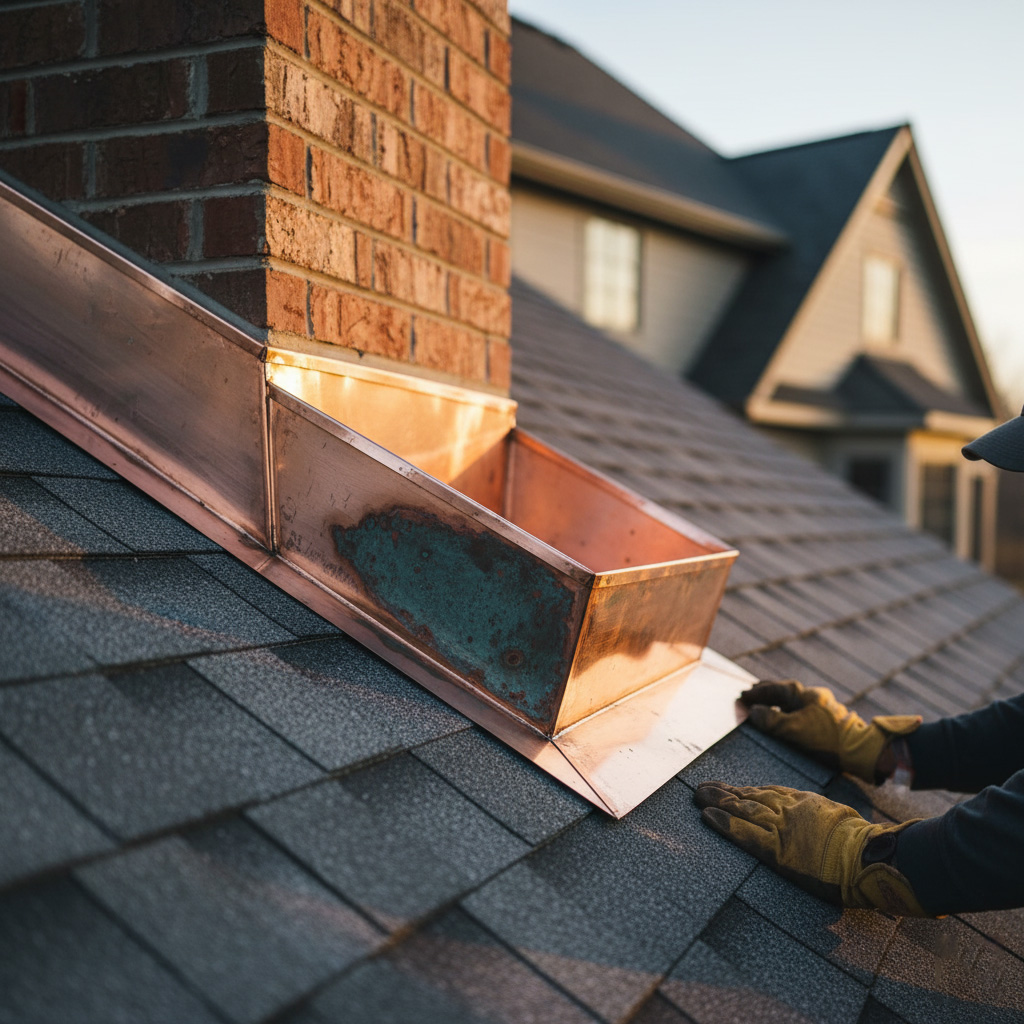
Picture this: hot air rises, right? Ridge vents sit right at your roof's peak, letting that scorching coastal air escape like a chimney on steroids. Pair them with soffit vents underneath for intake, and you've got passive airflow that works 24/7 without a single watt of power.
Ridge Vents: The Exhaust King for HB Roofs
- Installs along the entire ridge line for max exhaust.
- Resists salt corrosion from ocean breezes.
- Cuts attic temps by up to 30 degrees in summer peaks.
These bad boys shine in Huntington Beach because they handle high winds without whistling or leaking.
Soffit Vents: Cool Air In, Problems Out
Soffits pull in fresh, cooler air from below while ridge vents push out the junk above. Skip powered fans that guzzle electricity and break down. This combo keeps moisture low, protecting your wood from rot in our humid spells.
Other options? Turbine vents spin with wind for extra pull, great for steeper roofs. But for most beach bungalows, stick to ridge and soffit. Call pros to match your pitch, size, and style - wrong pick wastes cash.
Step-by-Step Professional Installation for Lasting Results
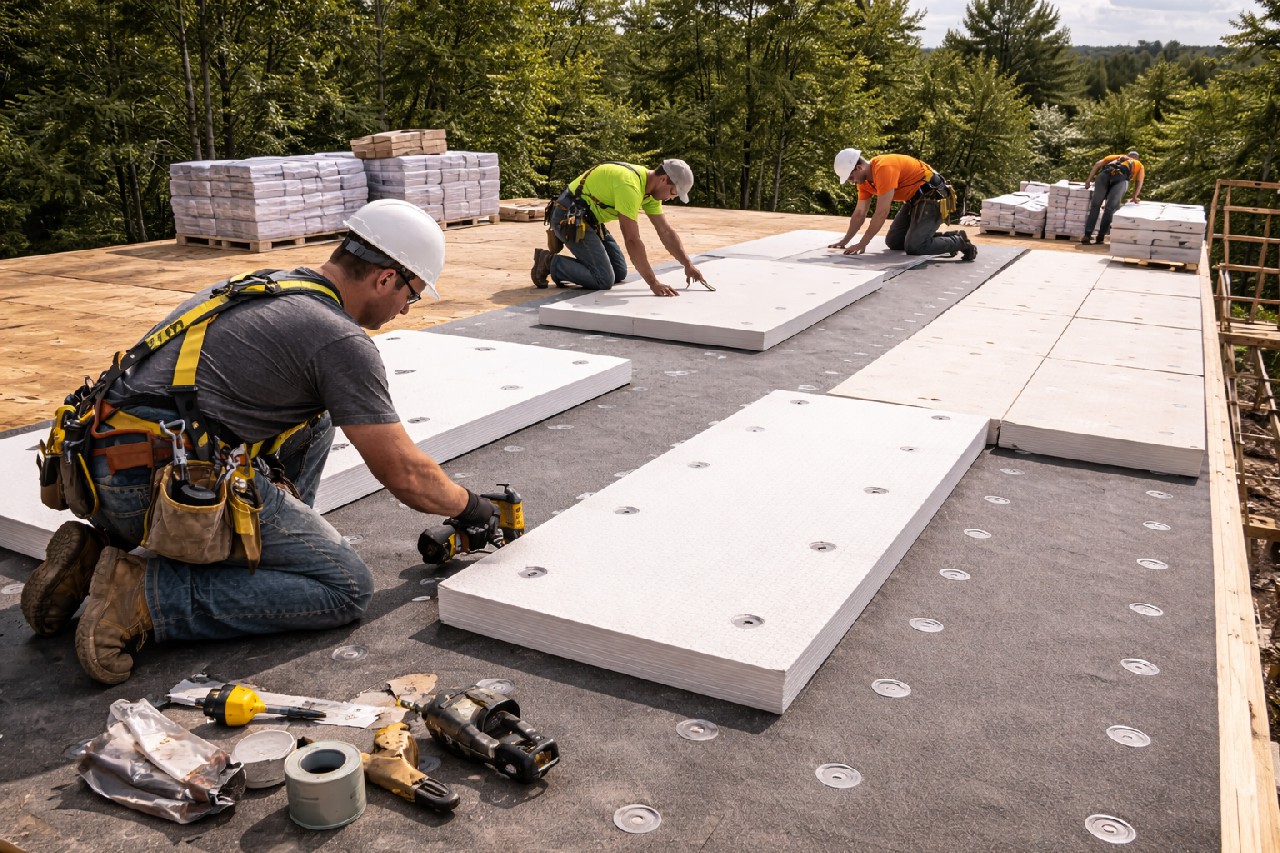
Skip the DIY disasters. A pro crew handles the heavy lifting, ensuring your Huntington Beach roof gets ventilation that actually works. We start with a full attic inspection to spot weak spots and measure airflow needs.
Our Proven Installation Process
- First: Clear the deck. Remove old shingles or damaged sections around ridge and soffit areas without wrecking your roof's integrity.
- Second: Install soffit vents first. These pull in cool coastal air from below, creating that essential intake flow.
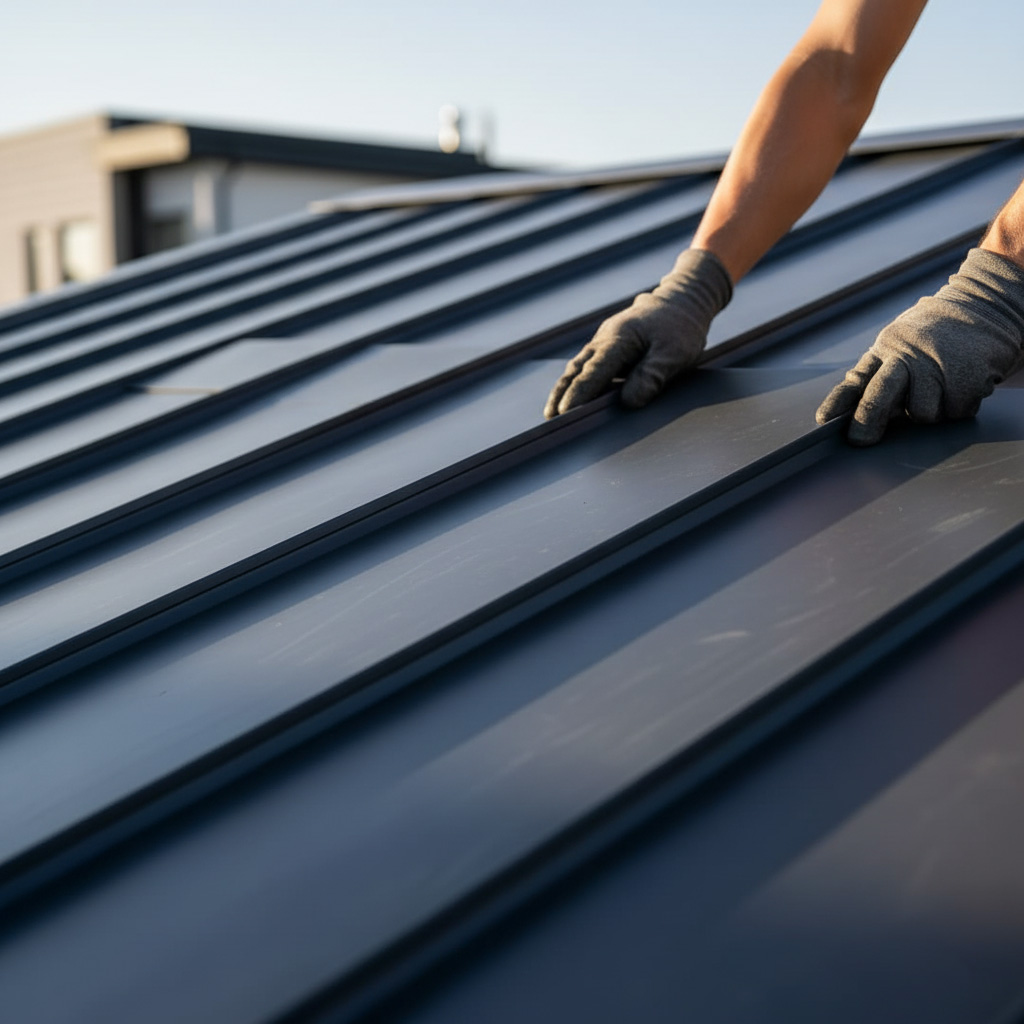
- Third: Cap it with ridge vents along the peak. Precision cuts and sealing prevent leaks while exhausting hot air fast.
- Finally: Balance the system. Add powered fans if needed, then test airflow with smoke or anemometers for peak performance.
Every nail, seal, and vent goes in with coastal weather in mind. No shortcuts mean your attic stays cool through Santa Ana winds and muggy mornings. Expect results that slash energy use by up to 30% right away.
Case Study: Reviving a Huntington Beach Home's Overheated Attic
Picture this: a classic 1970s ranch-style home in Huntington Beach, right off Pacific Coast Highway. The owners, a family of four, battled skyrocketing AC bills every summer. Their attic hit 140°F on peak days, baking the roof from the inside out.
The Breaking Point
Shingles curled. Mold crept into the eaves. Energy costs jumped 40% year-over-year.
- Attic humidity at 70%.
- Roof lifespan cut short by trapped heat.
- Family uncomfortable, even with constant cooling.
Our Fix in Action
We ripped out the old, clogged gable vents and installed a full ridge vent system paired with continuous soffit vents. Turbine vents topped it off for extra pull in those Santa Ana winds.
Installation took one day. No mess, no disruption to their beach lifestyle.
Results That Stuck
Attic temps dropped to a cool 90°F max. Bills fell 35% the first summer.
- No more mold growth.
- Shingles look brand new two years later.
- Family finally sleeps through the heat waves.
Proof positive: smart ventilation turns attic nightmares into non-issues.
Final Words
Huntington Beach roofs take a beating from salt air and blazing sun. Ignore ventilation fixes now, and you're handing your home a slow-motion disaster. Smart homeowners act fast to slash energy bills and dodge repairs.
Picture this: cooler attic temps year-round. No more wood rot sneaking up on you. That's the payoff from pro installs tailored to our coastal grind.
- Spot the signs? Call in the experts today.
- Ready for a free inspection? Hit up our Roof Ventilation Installation page and lock it in.
- Your wallet – and roof – will thank you.
Don't wait for the next heatwave to strike. Get ahead. Breathe easy under that roof.
People Also Ask
What are the common signs of poor roof ventilation in Huntington Beach homes?
Common signs include excessive attic heat, moisture buildup causing mold or rot, higher energy bills from poor insulation performance, and shingle damage from trapped heat. In Huntington Beach's humid coastal climate, these issues accelerate, leading to premature roof failure. Professional inspection can identify and fix these problems quickly.
How much does roof ventilation installation cost in Huntington Beach?
Costs typically range from $1,000 to $4,000 depending on home size, vent type, and existing roof condition. Factors like ridge vents or soffit upgrades in coastal areas may add to the price due to corrosion-resistant materials. Local experts provide free quotes for accurate pricing tailored to Huntington Beach homes.
What is the best type of roof vent for coastal California climates?
Ridge vents combined with soffit vents offer the best passive airflow for Huntington Beach's warm, humid conditions, preventing moisture and heat buildup. These systems resist salt air corrosion better than powered vents. They ensure balanced intake and exhaust for optimal attic cooling year-round.
Can improving roof ventilation lower energy bills in Huntington Beach?
Yes, proper ventilation reduces attic temperatures by up to 30 degrees, easing your AC workload and cutting energy costs by 10-20%. In coastal areas like Huntington Beach, it also minimizes condensation-related issues. Upgrading now delivers immediate savings and extends roof life.
How often should roof vents be inspected in Huntington Beach?
Inspect annually, especially before summer, due to coastal winds, salt buildup, and debris from nearby beaches. Look for blockages, damage, or inadequate airflow. Schedule professional maintenance to prevent costly repairs and maintain warranty compliance.

Huntington Beach Roofing delivers roofing services tailored to the Huntington Beach, CA community. With extensive experience in installations, repairs, and maintenance, the team addresses local coastal conditions. They focus on quality workmanship for homeowners and businesses in the area.
Need Roofing?
Fast roof repairs and replacements deliver leak-free protection and storm resilience in Huntington Beach, CA and nearby areas (92646, 92647, 92648, 92649).
Get Roof Estimate